
10 Factors Affecting Pharmaceutical Prices and How to Manage Them
Pharmaceutical prices depend on several factors, like manufacturing expenses, research and development, government regulations, market competition, and distribution costs. These factors influence how medicines are developed, manufactured, supplied, and sold across different markets.
For pharmaceutical companies, exporters, distributors, and healthcare buyers, understanding these cost drivers support better pricing decisions and purchasing plans. While some expenses managed through efficient operations and sourcing, others—such as regulatory requirements and market conditions—need careful planning.
Here are 10 major factors influence pharmaceutical prices and practical ways to manage them.
1. Market Demand and Competition
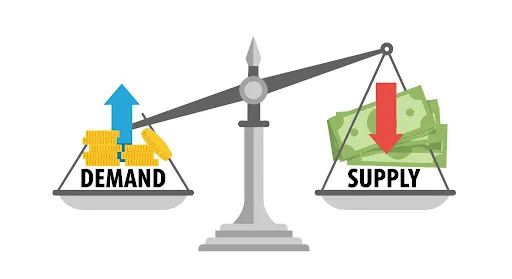
Demand and competition influence how pharmaceutical companies price their products. When several manufacturers supply the same generic medicine, buyers have more options, which cause price decreases. However, limited competition or shortages increase pressure on prices. The US FDA has reported that generic drug prices generally decline as more manufacturers enter the market, although the extent of the reduction varies by product.
How to manage it
- Monitor competitor prices and market demand.
- Compare equivalent products from qualified suppliers.
- Review pricing when new generic competitors enter the market.
2. Research and Development Costs

Developing a new medicine requires investment in laboratory research, preclinical studies, clinical trials, safety testing, and regulatory approval. Some projects fail before reaching the market, increasing the overall investment required for successful medicines. A 2020 JAMA study estimated the capitalised research and development cost of developing a new drug at approximately US$879 million, failed projects and the cost of capital. Estimates vary depending on the methodology and medicines studied.
How to manage it
- Set clear research budgets and development milestones.
- Evaluate commercial demand before investing in new products.
- Improve development processes without compromising safety or quality.
3. Brand Value and Product Portfolio

A pharmaceutical company's reputation, product quality, and market presence influence how its medicines are positioned. Branded medicines have different pricing structures from generic alternatives because of differences in development history, market recognition, and competition. When generic alternatives enter the market after patent protection ends, the original brand faces higher price competition.
How to manage it
- Review pricing across the product portfolio.
- Communicate product quality and approved benefits accurately.
- Consider market competition rather than relying on brand recognition alone.
4. Global Supply Chain Disruptions

Pharmaceutical manufacturing depends on the steady availability of APIs, excipients, packaging materials, and transport services. Supplier shortages, shipping delays, geopolitical tensions, and rising freight costs affect production schedules and medicine prices. Pharmaceutical exporters in India industry rely on imported APIs and drug intermediates, particularly from China, making supply diversification important for reducing potential disruptions.
How to manage it
- Qualify alternative suppliers where possible.
- Maintain appropriate inventory for essential raw materials.
- Monitor shipping costs, supplier lead times, and market risks.
- Avoid depending on a single source for critical ingredients.
5. Consumer Price Sensitivity and Inflation

Medicine buyers have different budgets, and price increases affect purchasing decisions, particularly in price-sensitive markets. Inflation also raises the costs of labor, electricity, packaging, transportation, and other manufacturing inputs. Companies must balance these expenses with affordability and price-control requirements.
How to manage it
- Monitor input costs and customer purchasing patterns.
- Identify avoidable production and distribution expenses.
- Evaluate price changes against affordability and regulations.
- Consider cost-effective packaging and logistics without compromising quality.
6. Regulatory Challenges

Pharmaceutical companies must comply with requirements covering manufacturing, quality, labeling, registration, and distribution. Exporters also need country-specific product approvals and documentation, adding time and cost. In India, the National Pharmaceutical Pricing Authority (NPPA) regulates the prices of medicines covered by the drug price-control framework.
How to manage it
- Check current regulations in each target market.
- Maintain complete quality and export documentation.
- Include compliance expenses in cost planning.
- Verify price-control requirements before setting selling prices.
7. Drug Efficacy and Market Positioning
A medicine's effectiveness, safety profile, approved uses, and role in treatment influence its market position. Products developed for specialised medical needs face different development costs and competitive conditions from widely available generic medicines. However, a higher price does not automatically mean a medicine is more effective; pricing should reflect evidence, market conditions, and other requirements.
How to manage it
- Review clinical evidence and approved product information.
- Compare available treatments and their prices.
- Support product claims with appropriate evidence.
- Consider market access and affordability when setting prices.
8. Raw Material Costs

Active pharmaceutical ingredients (APIs) and other ingredients are essential inputs in medicine manufacturing. Their prices fluctuate due to supplier capacity, energy costs, availability, transportation expenses, and international demand. For manufacturers dependent on imported ingredients, changes in international supply and prices affect production costs.
How to manage it
- Compare quotations from qualified suppliers.
- Track raw material price movements.
- Negotiate suitable purchasing terms for recurring orders.
- Evaluate total sourcing costs, testing, storage, and transportation.
9. Environmental Regulations and Taxation

Pharmaceutical manufacturers could deal with expenses for wastewater treatment, emissions control, hazardous waste disposal, and energy management. Taxes, customs duties, and other charges also affect the final cost of medicines moving through domestic and international supply chains. These expenses vary by location, product classification, and destination market.
How to manage it
- Identify environmental and tax requirements.
- Calculate landed costs before quoting export prices.
- Improve energy and material efficiency where practical.
- Keep compliance and financial records updated.
10. Technological Advancements
Automation, digital inventory systems, advanced manufacturing equipment, and data analytics improve production efficiency and reduce waste. However, adopting new technology requires investment in equipment, software, maintenance, validation, and employee training. For example, automated packaging inspection help manufacturers identify defects and reduce manual rework, but the initial investment increases expenses before savings become apparent.
How to manage it
- Evaluate expected savings before investing in new technology.
- Automate processes where it improves efficiency and quality.
- Use forecasting tools to reduce excess inventory and shortages.
- Measure performance and cost savings after implementation.
Conclusion
Pharmaceutical prices are influenced by market demand, research investment, raw material costs, regulations, technology, and distribution expenses. Understanding these factors helps manufacturers, exporters, and distributors make informed pricing decisions.
By reviewing supplier options, planning inventory, monitoring regulatory changes, and improving operational efficiency, businesses manage costs while maintaining product quality, availability, and affordability. As a healthcare products exporter, Malambi Health Care understands the importance of effective sourcing and cost management in pharmaceutical distribution, helping businesses navigate the complexities of international healthcare product supply.
FAQs
Pharmaceutical prices depend on market demand and competition, research and development costs, brand value, supply chain conditions, inflation, regulations, raw material costs, taxation, and technology.
When several manufacturers supply the same generic medicine, buyers have more options, which can lower prices. Limited competition or shortages increase pressure on prices.
Supplier shortages, shipping delays, geopolitical tensions, and rising freight costs affect production schedules and medicine prices, especially for manufacturers dependent on imported APIs.
Exporters can qualify alternative suppliers, plan inventory, monitor regulatory changes, calculate landed costs before quoting export prices, and improve operational efficiency while maintaining product quality.