
The Rise of Pharmaceutical Pellet Manufacturing Companies in India: A Global Exporter’s Guide
Introduction
The world of medicine is constantly evolving. In the past, delivering medicine into the human body was straightforward: you swallowed a solid tablet. Today, the focus has shifted from what the medicine is, to how it is delivered.
One of the biggest breakthroughs in oral drug delivery is Pellet Technology.
As global demand for advanced, highly effective medications surges, Pharmaceutical Pellet Manufacturing Companies in India have stepped up to become global leaders in this space. But what exactly are pharmaceutical pellets, why are they so important, and how can international healthcare providers source them?
As a trusted exporter supplying medicines to over 40 countries, Malambi Health Care brings you a complete guide to this revolutionary medical technology.
What Are Pharmaceutical Pellets?
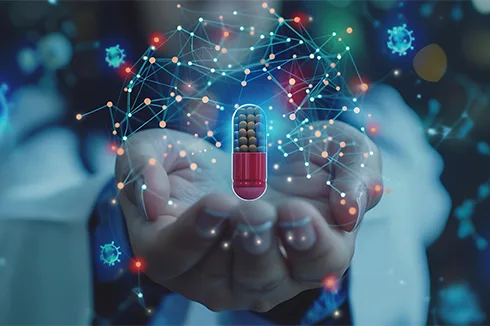
In simple terms, pharmaceutical pellets are tiny, spherical particles (usually ranging from 0.5mm to 1.5mm) that contain active pharmaceutical ingredients (APIs). Instead of pressing the drug into one large, solid tablet, the drug is divided into hundreds of these tiny beads.
These pellets are then typically filled into a hard gelatin or vegetarian capsule, or compressed into a disintegrating tablet. Because they are a "multi-particulate" system, they behave very differently in the body compared to traditional pills.
The Top 4 Medical Benefits of Pharmaceutical Pellets
Why are global hospitals and pharmacies requesting pellet-based medications? The clinical advantages are massive:
- Controlled and Sustained Release
If a patient has to take a painkiller every 4 hours, they might forget a dose. Pellets can be coated with special polymers that dissolve very slowly. This means a single capsule can release the medicine consistently over 12 to 24 hours, keeping the patient's blood levels stable and reducing how many pills they need to take. - Prevention of Dose Dumping
Sometimes, a standard tablet can break down too quickly in the stomach, releasing a massive spike of medicine all at once (known as dose dumping), which can cause severe side effects. Because pellets are independent tiny units, even if one pellet fails, the others will still release the drug safely. - Reduced Stomach Irritation
Certain drugs (like harsh antibiotics or NSAIDs) can irritate the stomach lining. Because pellets scatter evenly throughout the gastrointestinal (GI) tract instead of sitting in one heavy lump, they significantly reduce the risk of localized irritation and ulcers. - Maximum Drug Absorption
Pellets have a much larger surface area than a single tablet. Once swallowed, they easily pass through the stomach into the intestines, where the drug is absorbed much faster and more efficiently by the body.
Why India is the Global Hub for Pellet Manufacturing
If you look at the global supply chain, the best pharmaceutical pellet manufacturing companies in India are dominating the market. Here is why India is the preferred sourcing destination for the world:
- WHO-GMP Certified Facilities: Indian manufacturers utilize state-of-the-art, fully automated pelletization technology that meets the strictest global quality standards (including WHO, GMP, and ISO certifications).
- Cost-Effective Production: From Enteric-Coated (EC) pellets that survive stomach acid, to Sustained-Release (SR) formulations, India produces high-complex formulations at highly competitive prices.
- Diverse Capabilities: Indian companies successfully manufacture pellets for a massive range of therapeutic segments, including cardiovascular care, anti-ulcerants (like Omeprazole and Esomeprazole pellets), anti-depressants, and even nutraceuticals.
How Malambi Health Care Connects the World to India’s Best
Sourcing advanced formulations like pharmaceutical pellets from overseas can be a complex process. It requires strict quality vetting, temperature-controlled logistics, and mountains of legal paperwork.
This is where Malambi Health Care becomes your most valuable partner.
As a premier global pharmaceutical exporter based in India, we take the stress out of international medical trade. Here is how we help our global clients:
- Trusted Sourcing: We partner only with the top, legally certified pellet manufacturers in India to ensure you receive 100% pure, uncompromised formulations.
- Complete Documentation: Exporting pellets requires specific Certificates of Analysis (COA) and regulatory compliance documents. Our expert team handles all the red tape to ensure smooth customs clearance in your country.
- Global Reach: With successful supply chains operating across the UAE, Saudi Arabia, Africa, and beyond, we ensure your critical care and generic medicines arrive on time, every time.
Conclusion
Pharmaceutical pellets represent the future of safe, effective, and patient-friendly drug delivery. By combining the manufacturing excellence of India with the export expertise of Malambi Health Care, delivering world-class healthcare to your patients has never been easier.
Are you looking to import high-quality pharmaceutical pellets or generic medicines?
Partner with a team that understands the global market. Contact Malambi Health Care today for reliable, compliant, and cost-effective medical exports.